All wine starts with the sugar in grapes. Yeast turns that sugar into alcohol, and if it eats all of it you get a dry wine. To make a sweeter, richer wine you have two choices: concentrate the sugar in the grapes before they’re picked, or stop the fermentation before the yeast has finished. Our three sweet wines each take a different path.
Cut cane: drying the grapes on the vine
Cut cane is a technique where, at peak ripeness, the canes carrying the bunches are cut but the fruit is left hanging. With the vine no longer feeding them, the grapes slowly shrivel. They lose water and keep their sugar, so the flavour and sweetness in each berry become far more concentrated.
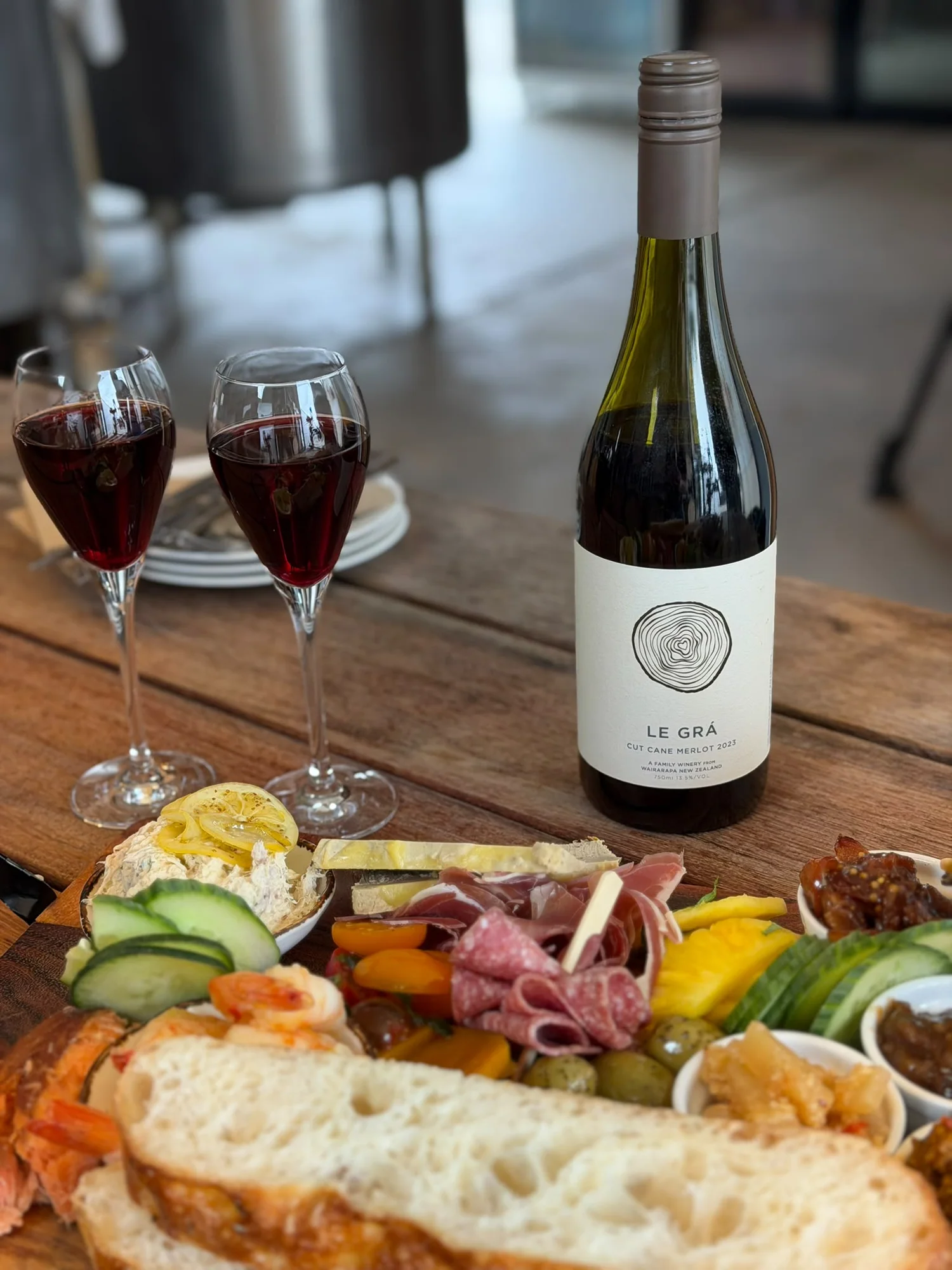
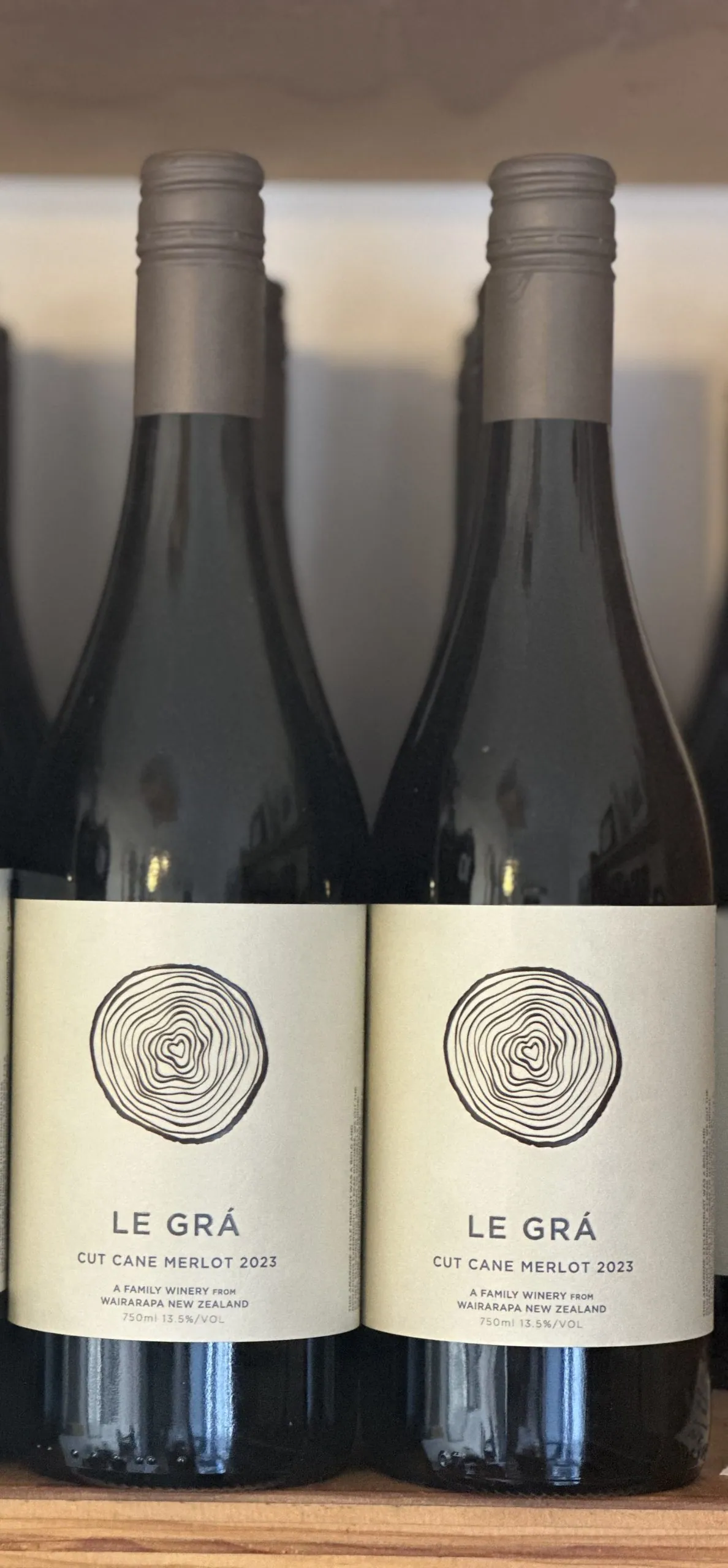
It’s a cousin of Italy’s Amarone, where grapes are picked and dried on racks before pressing. Cut cane does the drying out in the vineyard instead. Our 2023 Cut Cane Merlot was a bold experiment, and the result is a sweet, rich, full bodied red with notes of black fig, ripe cherry and black doris plum, layers of cocoa and dark chocolate, and a subtle spice from French oak. Because it was such a small batch we bottled it with minimal fining and no filtering, and it has since taken on a life of its own with a gentle fizz. We love serving it chilled.
Late harvest: waiting until the fruit is almost raisins
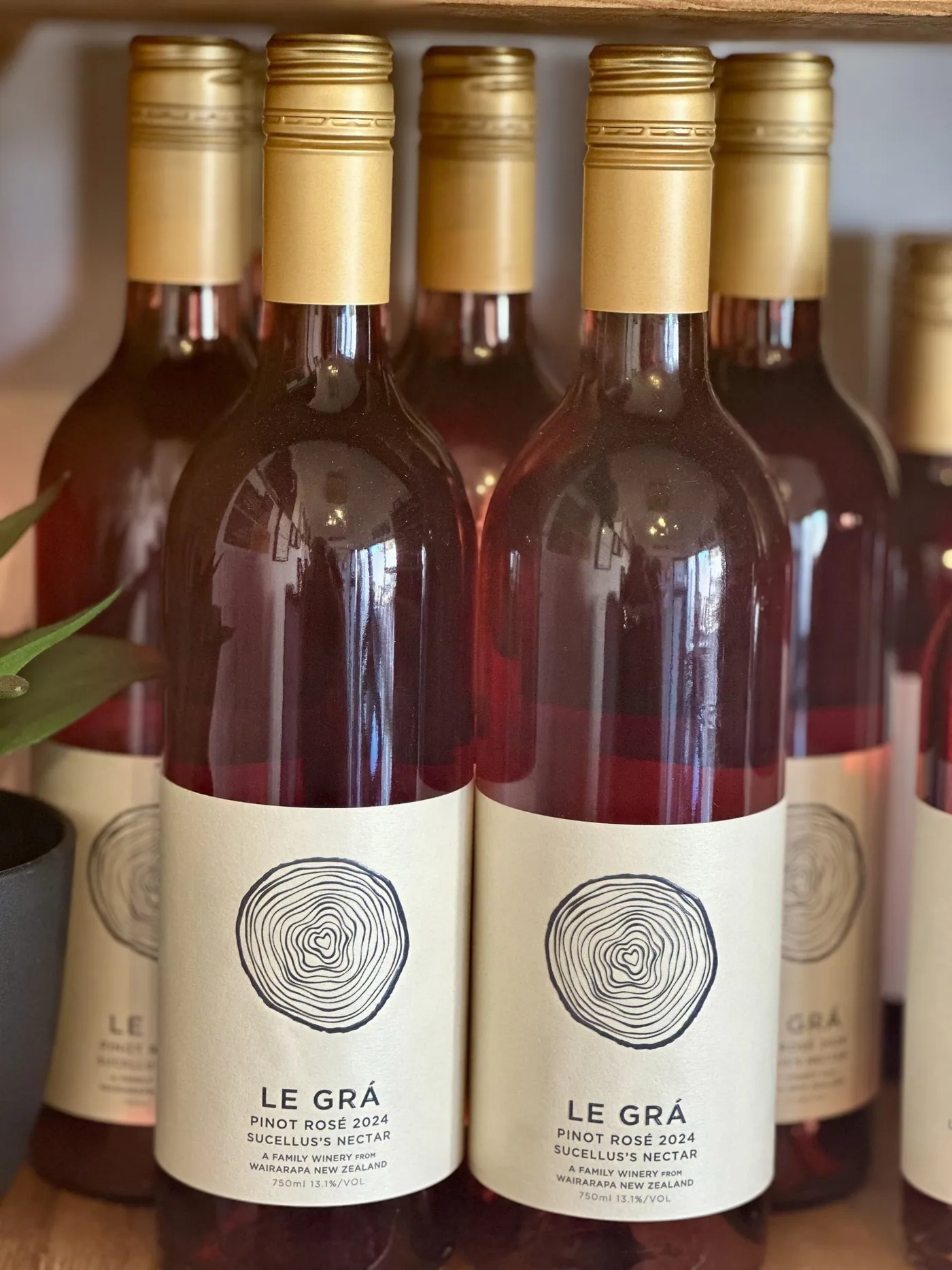
A late harvest wine simply comes from leaving the grapes on the vine long after the normal harvest, so they ripen, shrivel and sweeten. In New Zealand that means picking well into late autumn.
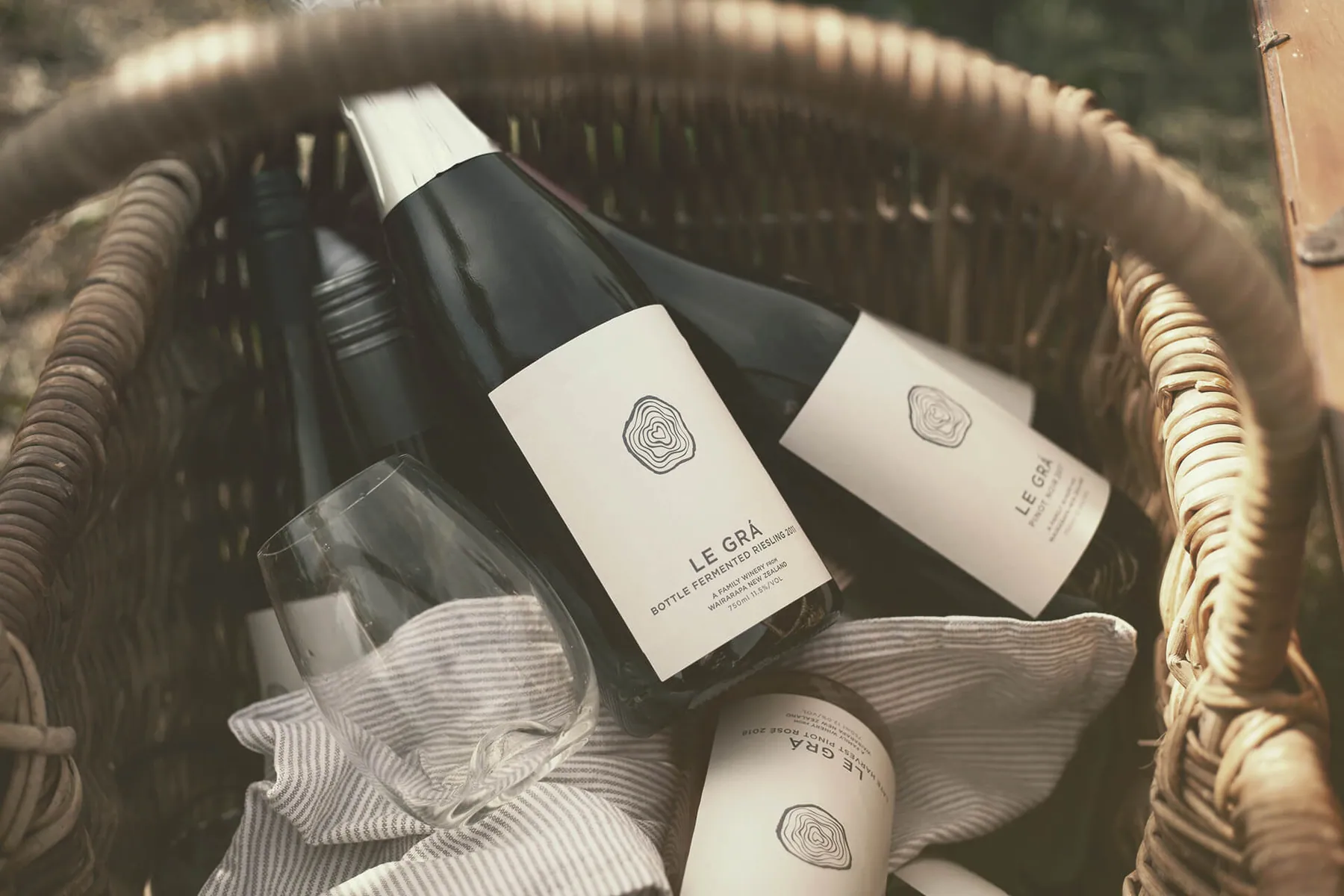
We hand-harvested our 2024 Late Harvest Pinot Rosé at the end of May, when the Pinot Noir fruit was almost raisins. It yielded just 100 litres. The wine has a nectar-like sweetness alongside the savoury side Pinot Noir is known for. Like the Merlot it is unfiltered and unfined, and it fermented slightly in the bottle, so it’s now lightly sparkling. It comes in 750 ml and 375 ml bottles.
Port: stopping the fermentation with spirit
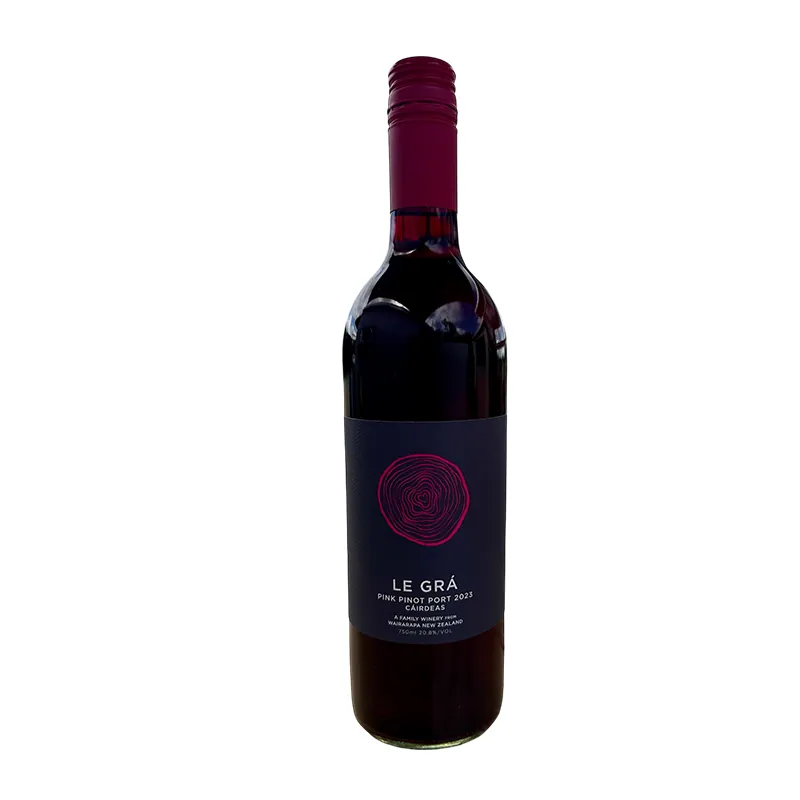
Port style wines are fortified. Part way through fermentation, grape spirit is added, which stops the yeast while there is still natural sugar left in the wine and lifts the alcohol at the same time.
For our 2023 Pink Pinot Port we left some Pinot Noir grapes to ripen a wee bit longer, foot-stomped them and fermented slowly to draw out a pretty pink colour. We added the spirit when the juice was at around 10 brix, a measure of how much sugar is in it, which keeps the wine’s own aroma, flavour and colour. It’s port, but probably not like any you’ve had before.
How to serve them
- Pour smaller glasses than you would for a table wine. These are rich, and a little goes a long way.
- Serve them cool rather than at room temperature. We love the Cut Cane Merlot chilled.
- Match the sweetness. A dessert wine should be at least as sweet as the dessert, or the wine will taste thin.
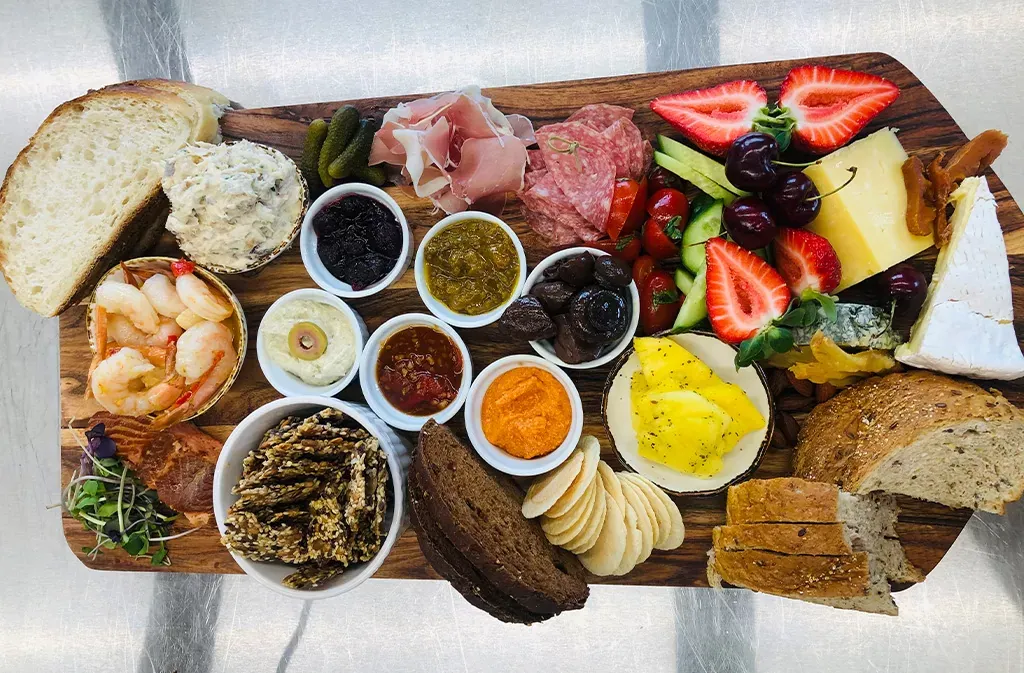
- Think cheese as much as pudding. The Late Harvest is lovely with a cheese board, lemon meringue pie or Nikki’s apricot tart, and the Pink Pinot Port was made for a late-night cheese board.
- The Cut Cane Merlot also works with savoury food: grilled red meats, venison, lamb, or slow smoked pork with a warm roasted vegetable salad.
All three were tiny batches, so when they’re gone they’re gone. You can buy them online or taste them at the cellar door first.